
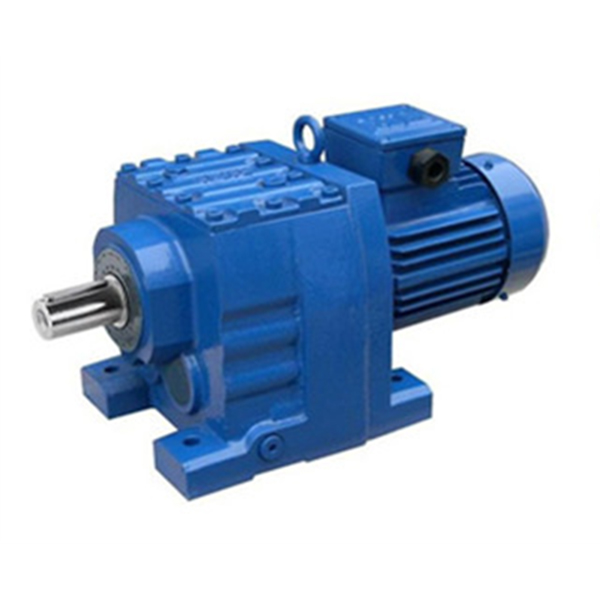
R Series Coaxial Inline Helical Geared Motor
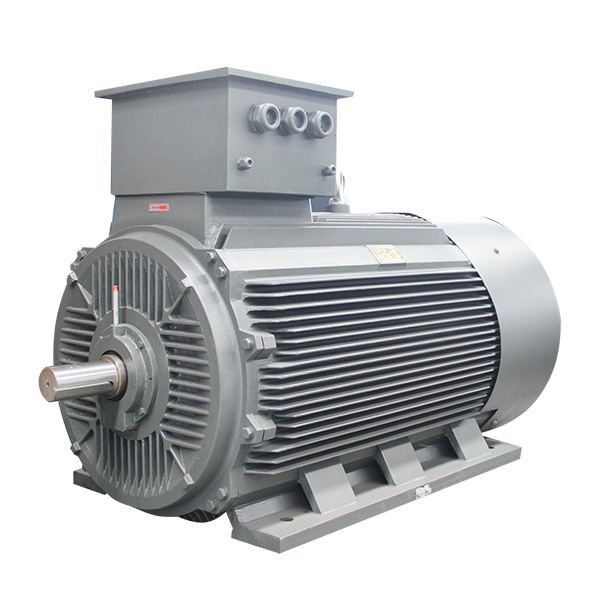
0.75kW-800kW 1HP-1000HP 3 Phase AC Induction Motor
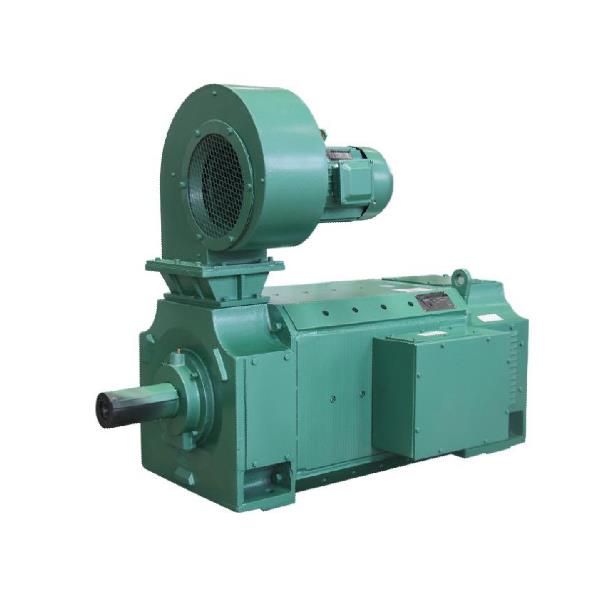
Z Z2 Z4 DC Motors
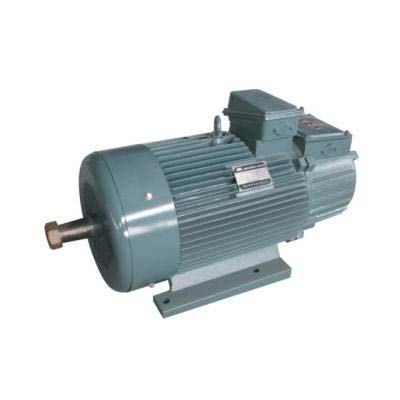
JZR2 YZR Series AC Crane Lifting Wound Rotor Slip Ring Motors
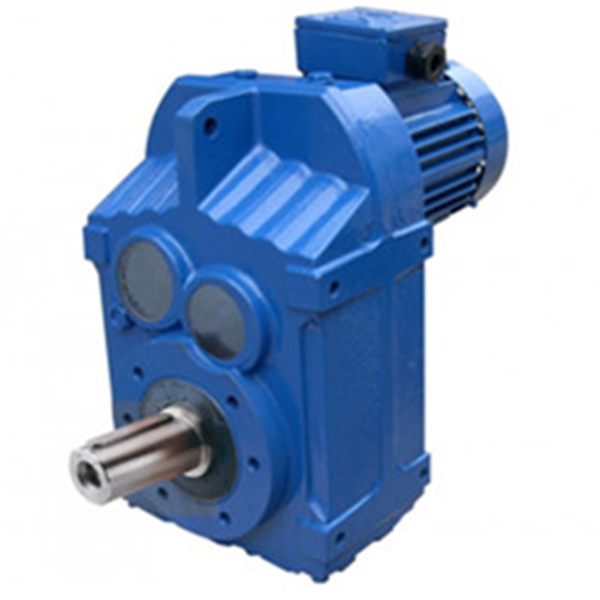
F Series Parallel Shaft Helical Gear Motor

0.37kW-375kW 0.5HP-500HP Energy Efficient Motors
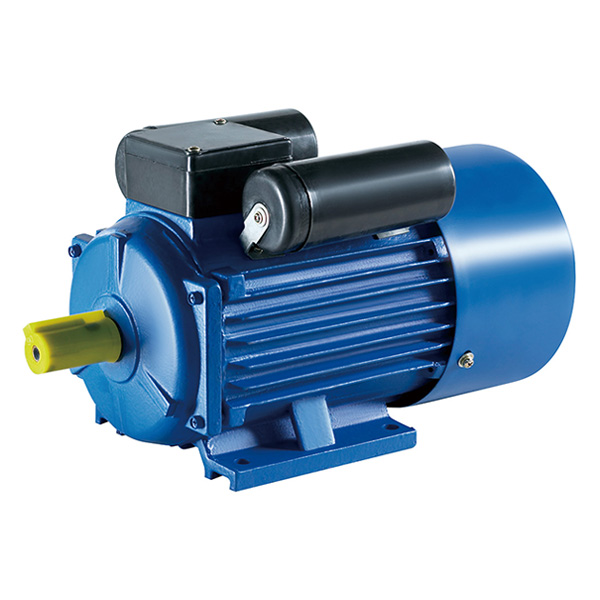
Heavy duty single phase electric motor
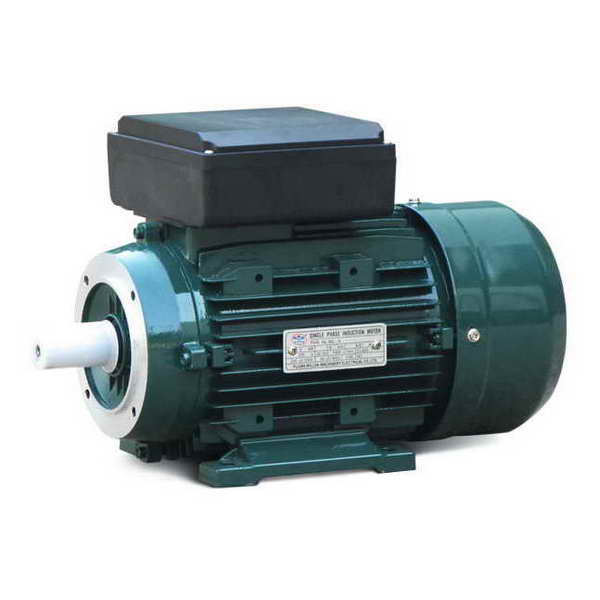
Single phase capacitor motor
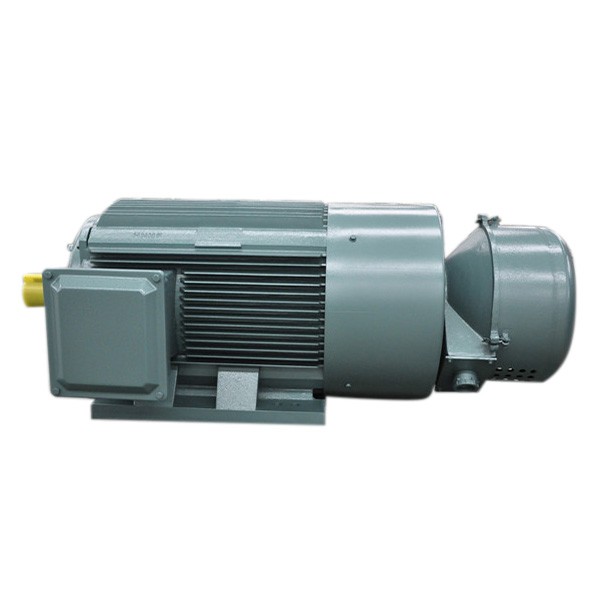
3 Phase Slip Ring Induction Motor
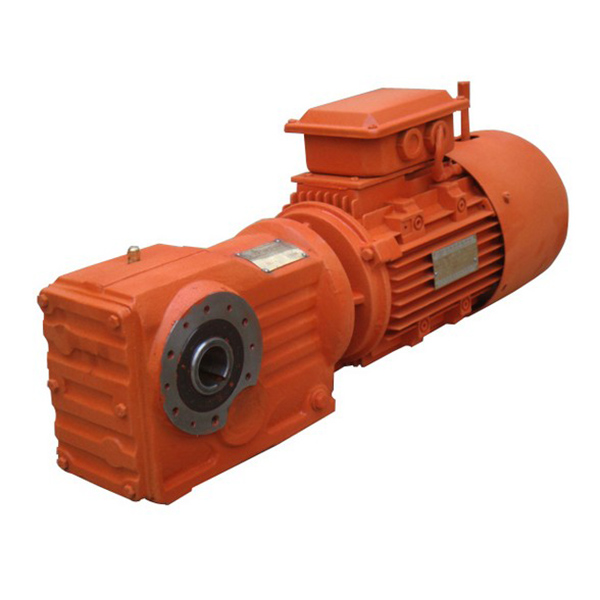
K Series Helical Bevel Gear Motor
As core power equipment in industrial production, the subtle abnormal noises emitted by motors during operation are essentially a “language for transmitting fault signals.” 200KW electric motors, as medium-to-large industrial motors, are widely used in heavy-duty scenarios such as fans, pumps, compressors, and mining machinery. Their operating status directly determines production efficiency and safety. These motors have complex structures and heavy loads; if abnormal noises are not identified and diagnosed in time, they may lead to serious faults such as bearing burnout, rotor breakage, and winding short circuits, causing downtime, production stoppages, and economic losses. This article takes a 200KW 3 phase induction motor as an example, dissecting the fault types, diagnosis methods, and countermeasures corresponding to different abnormal noises, helping practitioners understand the “language” of motor faults and achieve early detection and early handling.
Bearing noises are the most common fault signal in 200KW motors. Their sound characteristics are highly correlated with the fault type, making them easy to identify and requiring close attention. A normally operating 200kW motor bearing will only emit a uniform, slight rotational sound. If a dull, buzzing noise occurs, accompanied by a rise in motor end-cover temperature (above 80℃), it is likely due to insufficient bearing lubrication or aging grease. In this case, it is necessary to replenish the grease with the correct specifications promptly to prevent dry friction and bearing wear. If a sharp, squeaking noise is emitted, and the noise intensifies with increasing speed, it is highly likely due to worn bearing balls, scratches on the raceway, or loose inner or outer bearing rings. The machine must be stopped, disassembled, and inspected. Damaged bearings should be replaced to prevent bearing seizure and rotor rubbing. For 200kW heavy-duty motors, the bearing load is high and wear is rapid; it is recommended to check the lubrication status every 3-6 months to prevent malfunctions.
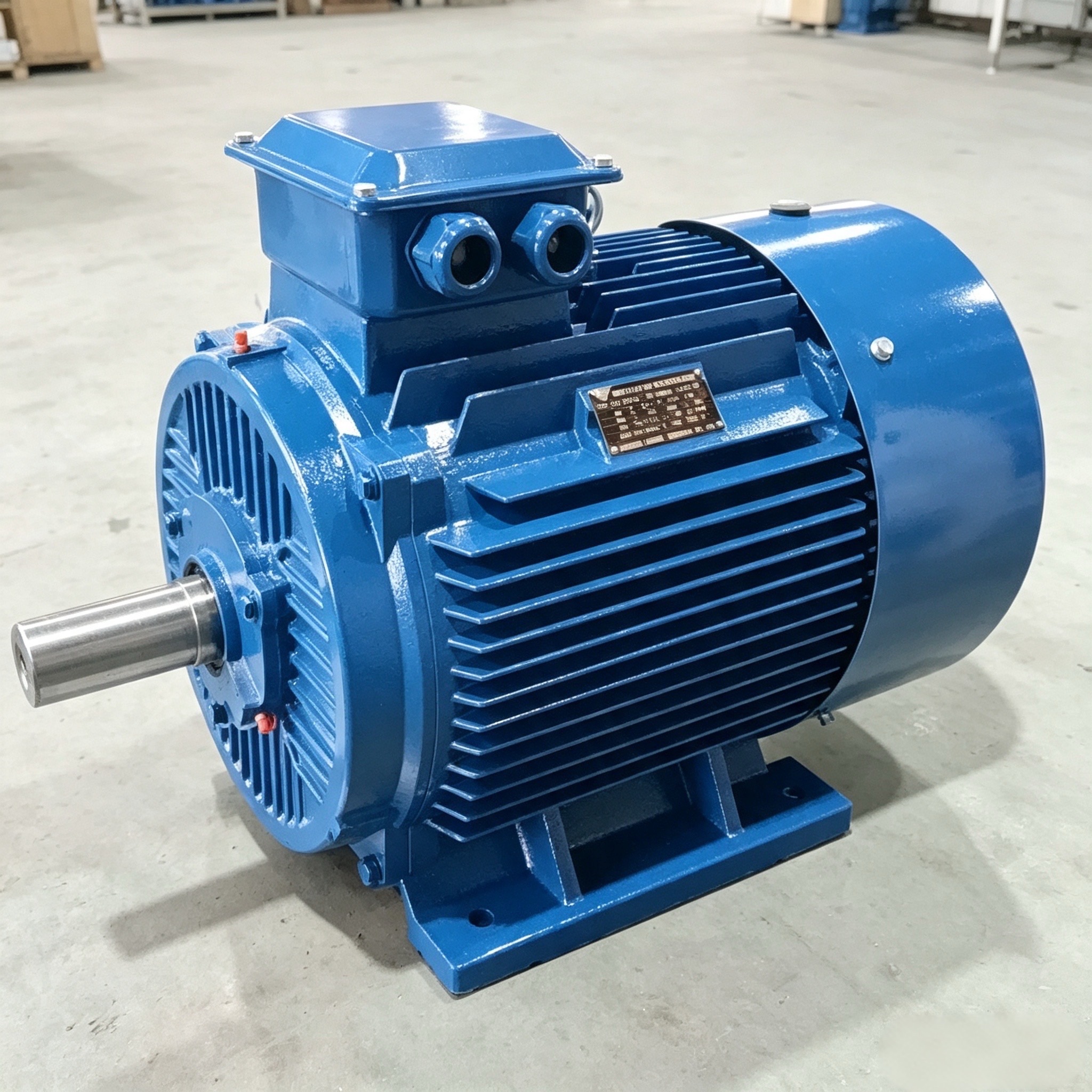
Rotor-related abnormal noises are often related to rotor imbalance, broken rotor bars, or uneven air gaps. The sound has a clear regularity and needs to be diagnosed in conjunction with the operating conditions. If a 200kW motor emits a periodic clicking sound during operation, accompanied by increased motor vibration (vibration value exceeding 4.5mm/s), it is mostly due to rotor imbalance. This is commonly seen after motor maintenance, due to rotor assembly deviations, blade wear, or coupling misalignment. Dynamic balancing of the rotor is necessary, along with adjusting the coupling coaxiality to prevent long-term vibration from causing frame deformation and winding loosening. If a "chaotic friction sound" is emitted, and the motor current fluctuates significantly, it may indicate a broken rotor bar or uneven air gap between the rotor and stator. In this case, the motor must be stopped and the rotor winding inspected. Broken bars should be replaced, and the air gap adjusted to prevent the fault from escalating and causing the motor to burn out. This type of abnormal noise is particularly common in 200kW electric motors used in mining and metallurgy, and requires regular troubleshooting based on operating conditions.
Winding abnormal noises are often precursors to insulation aging or short circuits. The sound is subtle but extremely dangerous and easily overlooked. Abnormal noises caused by winding faults in a 200kW 3 phase motor are often described as a "slight crackling" or "buzzing" sound, accompanied by motor casing heating, abnormal current increases, and in severe cases, a burning smell. If this type of abnormal noise occurs, it is mostly due to aging or damage to the winding insulation layer, leading to short circuits between turns or to ground. In this case, the machine must be stopped and the power disconnected immediately. The winding insulation resistance should be checked, and the damaged winding should be repaired or replaced to prevent short circuits from causing fires. In addition, loose winding connections can also produce a "buzzing" contact noise. The terminals should be checked, and loose parts tightened to prevent poor contact from generating electric sparks and damaging the winding.
Other types of abnormal noises are mainly related to mechanical transmission and foreign object interference. These are relatively easy to troubleshoot but require comprehensive attention. If a 200KW motor emits a "thumping" sound, it is mostly due to foreign objects (such as metal shavings or debris) entering the motor, or a loose coupling or pulley. The machine must be stopped, disassembled, and the foreign objects removed and transmission components tightened. If a "dull rumbling" sound is emitted, and the motor load is abnormal, it may be due to overload or motor stall. The load should be checked, adjusted to the rated range, and the cause of stalling (such as mechanical jamming) investigated to prevent motor overload and burnout.
For medium to large 200kW electric motors, understanding their "abnormal noise language" hinges on "identifying the sound, observing accompanying phenomena, and checking operating parameters." In daily maintenance, it's necessary to combine various methods, such as listening, temperature measurement, vibration measurement, and current measurement, to accurately determine the type of fault corresponding to the abnormal noise, avoiding blind shutdowns or ignoring potential problems. Simultaneously, regular comprehensive motor overhauls, including bearing lubrication, rotor balancing, and winding insulation testing, can effectively reduce the occurrence of abnormal noise faults. Only by understanding the abnormal noise signals of the motor can we promptly avoid fault risks, ensuring the long-term, stable, and safe operation of the 200kW 3 phase induction motor and safeguarding industrial production.
Pre: No information!
Next:Fault analysis of 315kw three phase asynchronous motor not running
